The Ultimate Guide to Storing Cheese
Highlighted under: Fresh & Healthy Plates
Unlock the secrets to keeping your cheese fresh and flavorful with our comprehensive guide! Discover the best techniques for wrapping, refrigerating, and aging different types of cheese, ensuring that each bite remains delicious and aromatic. Perfect for cheese lovers and charcuterie board enthusiasts alike, this guide will elevate your cheese storage game and enhance your entertaining skills.
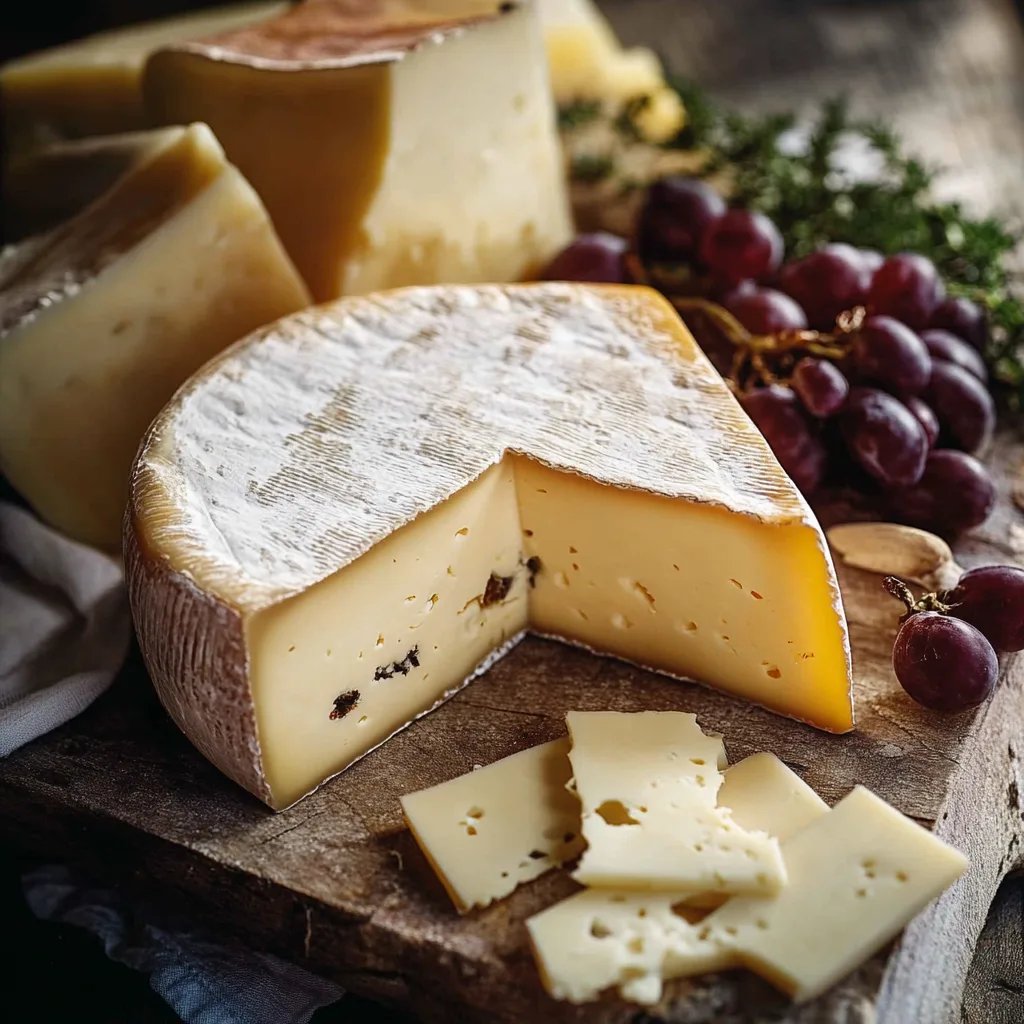
This guide is designed to help cheese lovers master the art of cheese storage.
The Importance of Proper Cheese Storage
Cheese is a beloved delicacy enjoyed around the world, but its unique flavors and textures can be easily compromised if not stored correctly. Proper storage is crucial to retain the freshness and quality of your cheese. Exposing cheese to air is one of the biggest mistakes anyone can make, as it leads to drying and flavor loss. Understanding how to store different types of cheese will not only prolong their shelf life but ensure that every slice and cube retains its rich, delicious character.
Each cheese is unique—hard, soft, aged, or fresh—and the right storage method varies according to its composition. For instance, hard cheeses need to be wrapped tightly to avoid exposure to air, whereas soft cheeses benefit from being stored in more breathable environments. Learning these nuances will not only enhance your personal cheese experience but also impress your guests when you serve the perfect charcuterie board.
Additionally, proper storage can prevent mold growth and unpleasant odors from developing. By following specific guidelines for storing cheese, you can maintain the delightful aroma and taste, making each bite a luxurious experience. So, let's dive into the best practices for cheese preservation that will transform your culinary adventures!
Wrapping Techniques for Various Cheeses
When it comes to wrapping cheese, choosing the right material is essential. Cheese paper, wax paper, and plastic wrap offer different benefits depending on the type of cheese you’re dealing with. Cheese paper provides a breathable barrier, ideal for soft and semi-soft cheeses, keeping them moist while allowing them to age gracefully. On the other hand, hard cheeses gain the best protection from wax paper or a loose wrap of plastic, which prevents exposure to oxygen, thereby preserving texture and flavor.
It’s important to avoid using regular plastic wrap tightly around cheese, as this can trap moisture and encourage mold or spoilage. Instead, consider wrapping your cheese in cheese paper first and then loosely in plastic. This method balances moisture retention with airflow, keeping your cheese fresher for longer. Remember to reseal the wrappers after each use to further protect your cheese from air and contamination.
With artisanal cheeses gaining popularity, taking the time to properly wrap and store your selections can make all the difference in enjoying their full potential. Whether you're featuring a creamy Brie or a robust aged Gouda, using the right wrapping techniques ensures that each cheese reaches its peak flavor for your enjoyment or your next gathering.
Refrigeration and Aging of Cheese
Refrigeration is a key factor in how long cheese will stay fresh. Ideally, cheese should be stored in the vegetable drawer of your refrigerator, where the temperature is more stable and humidity is higher. Avoid keeping cheese on the refrigerator door, as this area experiences frequent temperature fluctuations. By placing your cheeses in a consistent and suitable environment, you can successfully minimize spoilage and maintain their desired flavors and textures.
Aging cheese at home is another rewarding endeavor that can elevate your cheese game. A controlled environment away from direct light and extreme temperature changes is essential for aging. Consider converting a small room or even a wine fridge into a cheese aging space. Different cheeses have varying aging needs; soft cheeses may require shorter aging periods, while hard cheeses might benefit from several months of careful tending. This process allows you to experiment and create unique flavors that are specifically tailored to your taste.
Lastly, keep in mind that cheese is a living product. It evolves in flavor and texture depending on how it is stored and aged. Regularly checking on your cheese and adjusting conditions as necessary can lead to remarkable finds and delightful surprises. Careful observation will help you develop a deeper appreciation for cheese, making your culinary experiences even more satisfying.

Pro Tips
Always keep cheese wrapped in breathable materials.
Accessories for Cheese Storage
Investing in the right tools for cheese storage can make a notable difference in maintaining quality. Cheese domes or airtight containers with ventilation can keep various cheese kinds fresh while allowing them to breathe. Consider cheese vaults that create optimal humidity levels tailored to different cheese types, offering a stable environment that mimics cheese aging conditions. These accessories not only preserve cheese well but also add elegance to your cheese presentation.
A cutting board or slate tile is also beneficial when preparing cheese platters. These surfaces minimize the risk of damage during cutting and presentation, enhancing your serving game. To elevate your cheese experience further, a cheese knife set designed for different cheese types can help maintain texture and flavor profile intact while serving.
Common Mistakes to Avoid
One common mistake is assuming that all cheeses can be stored the same way. Different cheeses have unique storage needs, and failing to recognize these can lead to disappointment. For example, mixing strong-smelling cheeses with milder varieties in the same storage container can lead to flavor contamination. It’s crucial to keep varieties separate to preserve the integrity of their tastes.
Another frequent error is over-refrigerating cheese. Too much chilling can dull the flavor and disrupt texture. While refrigeration is important for certain cheeses, too long or too cold can negate the natural complexities in taste. Instead, allowing your cheeses to come to room temperature before serving is essential for enjoying their full flavor potential.
Conclusion: Elevate Your Cheese Storage Skills
Now that you have the ultimate guide to storing cheese, you can approach cheese enjoyment with newfound confidence. Proper storage has the power to unlock the delicious nuances of your favorite cheeses, turning ordinary servings into delectable experiences. Whether you’re indulging solo or impressing guests, effective cheese storage will enhance your culinary repertoire.
As you master these techniques, remember that cheese is not just food; it's a journey of flavors waiting to be explored. Take the time to experiment with different cheeses, combinations, and storage methods. Enjoy the art of cheese storage and savor every moment!
The Ultimate Guide to Storing Cheese
Created by: The Kitchenwithethan Team
Recipe Type: Fresh & Healthy Plates
Skill Level: Beginner
Final Quantity: 1.0
Extra Tips
Always keep cheese wrapped in breathable materials.